
Water Features in Pots, Low-Maintenance Edition
A water feature without weekly cleaning, algae blooms, or pump replacements. Here's how to set one up that mostly looks after itself.
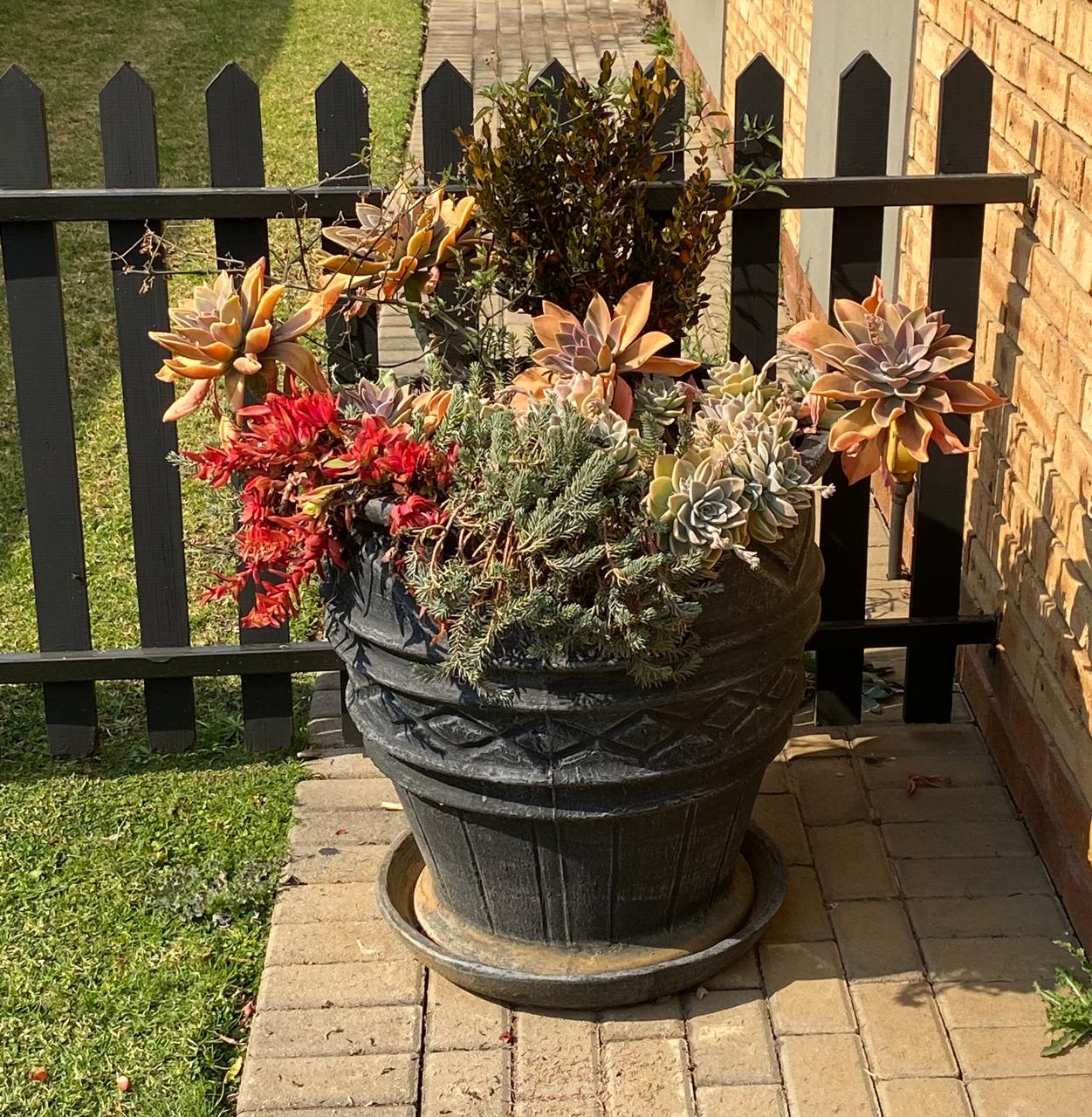
A small water feature in a pot can transform an outdoor space, the sound of moving water masks traffic noise, attracts birds, and generally makes the patio feel like a destination rather than a passageway.
The reason most people avoid them: maintenance. Algae, pump failures, mosquitoes, evaporation, the constant top-up. Done right, none of that needs to be a problem.
Pick the right pot
Two things matter most:
-
Material, has to handle constant water without crumbling, leaching, or splitting. Clay is out (it's porous and will weep). Glazed ceramics work but crack in frost. GRC fiber cement is the default for South African gardens, sealed, dense, and won't move with the seasons.
-
Shape, taller and narrower beats wide and shallow for water features. Less surface area = less evaporation, less algae growth, and the sound of the water carries better.
The three things that prevent algae
Algae needs light + nutrients + warm water. Remove any one and the bloom stops.
- Cover the surface. Pebbles, ceramic balls, or a single floating plant (water lettuce, water hyacinth) blocks most of the light hitting the water column.
- Keep the water moving. Stagnant water grows algae fast; circulating water grows it slowly. A small submersible pump is enough, they cost under R500 and run for years.
- Skip the fish food / fertiliser. Adding nutrients = adding algae food. If you want fish, the water plants will feed them.
Mosquito-proofing without chemicals
Mosquitoes need still water for 7-10 days to breed. Two safe options:
- A small pump (covered above) keeps the water moving enough that they can't lay eggs successfully.
- Or add 2-3 small fish (mosquito fish, Gambusia, are sold cheap at most aquariums), they eat larvae continuously.
Top-up routine
A water feature in Gauteng loses 1-2 cm per day in summer to evaporation. Get into the habit of topping up every Monday morning, takes 30 seconds with a hose. Use rainwater or filtered tap if you can; chlorinated water slows down the plants.
Two times a year (spring + autumn) drain the whole thing, rinse the pebbles, restart. That's the entire annual maintenance.
Power
Pumps need a power cable. If your patio doesn't already have an outdoor plug, run one through a sealed gland into a junction box on the wall. Don't run an extension lead permanently, they're not made for the rain and humidity outdoors.
Related reading
Looking for new pots?
Browse our full range of GRC fiber cement garden pots, delivered across Gauteng or collected free.
Shop All Products →